A good seat looks simple, but the foam inside it is the result of several decisions. Whether you are building bus seats, office chairs, motorcycle seats or seating for electric vehicles, these five points decide how the seat feels on day one - and how it still feels after years of use.
1. How should it feel?
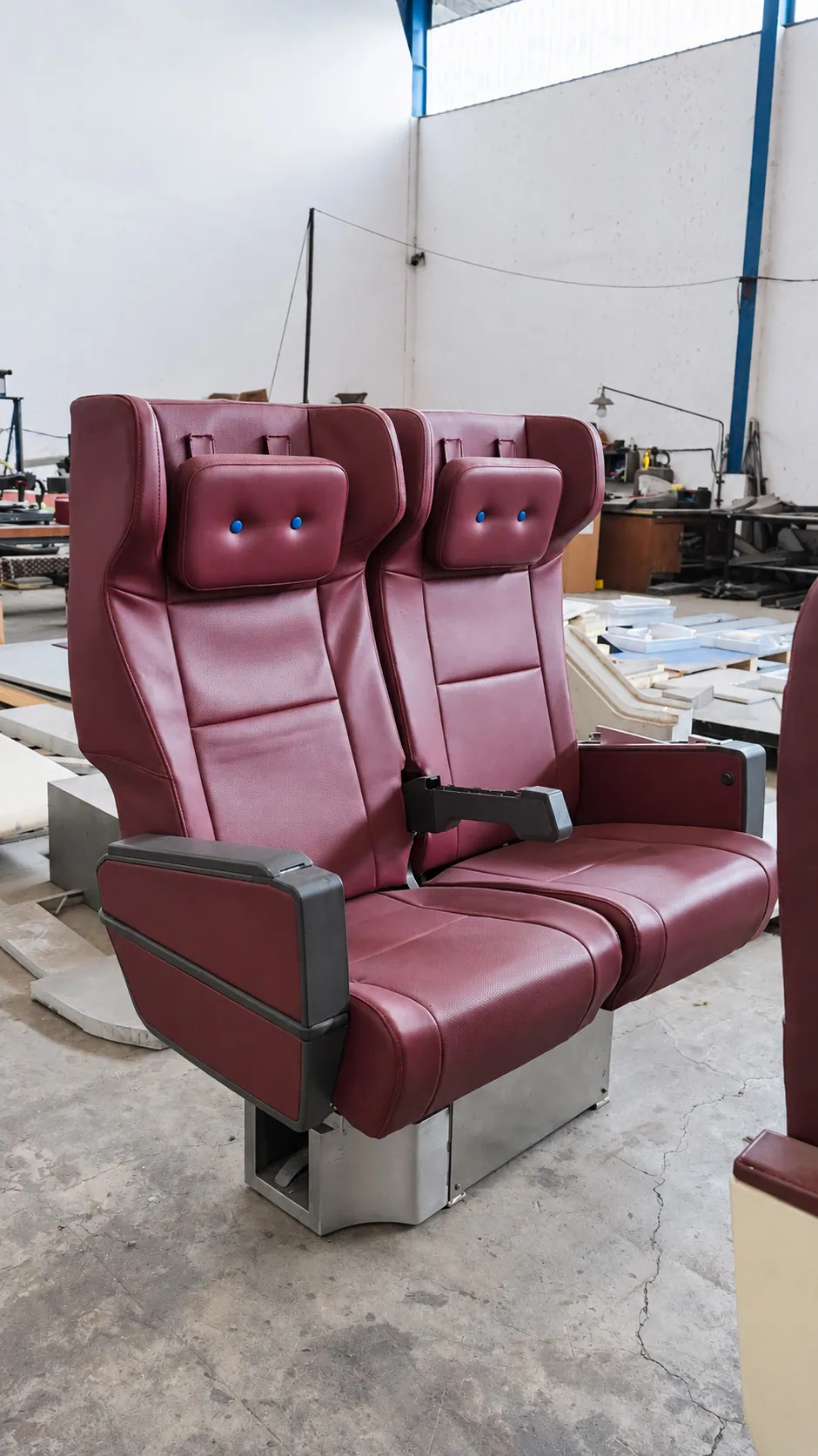
Comfort is not just "soft" or "hard". A seat cushion needs enough support so people do not sink through it, and enough softness to be comfortable for long trips or long working days. With molded foam, hardness and density are tuned for the product, and different zones of a seat can even be designed differently - for example a firmer edge and a softer center.
2. How long must it last?
Public transport seats are used by hundreds of people a day; an office chair by one person for eight hours. The expected use affects the foam formulation and the density. Ask for foam that keeps its shape and thickness over time, not only foam that feels good when new.
3. What shape does it need?
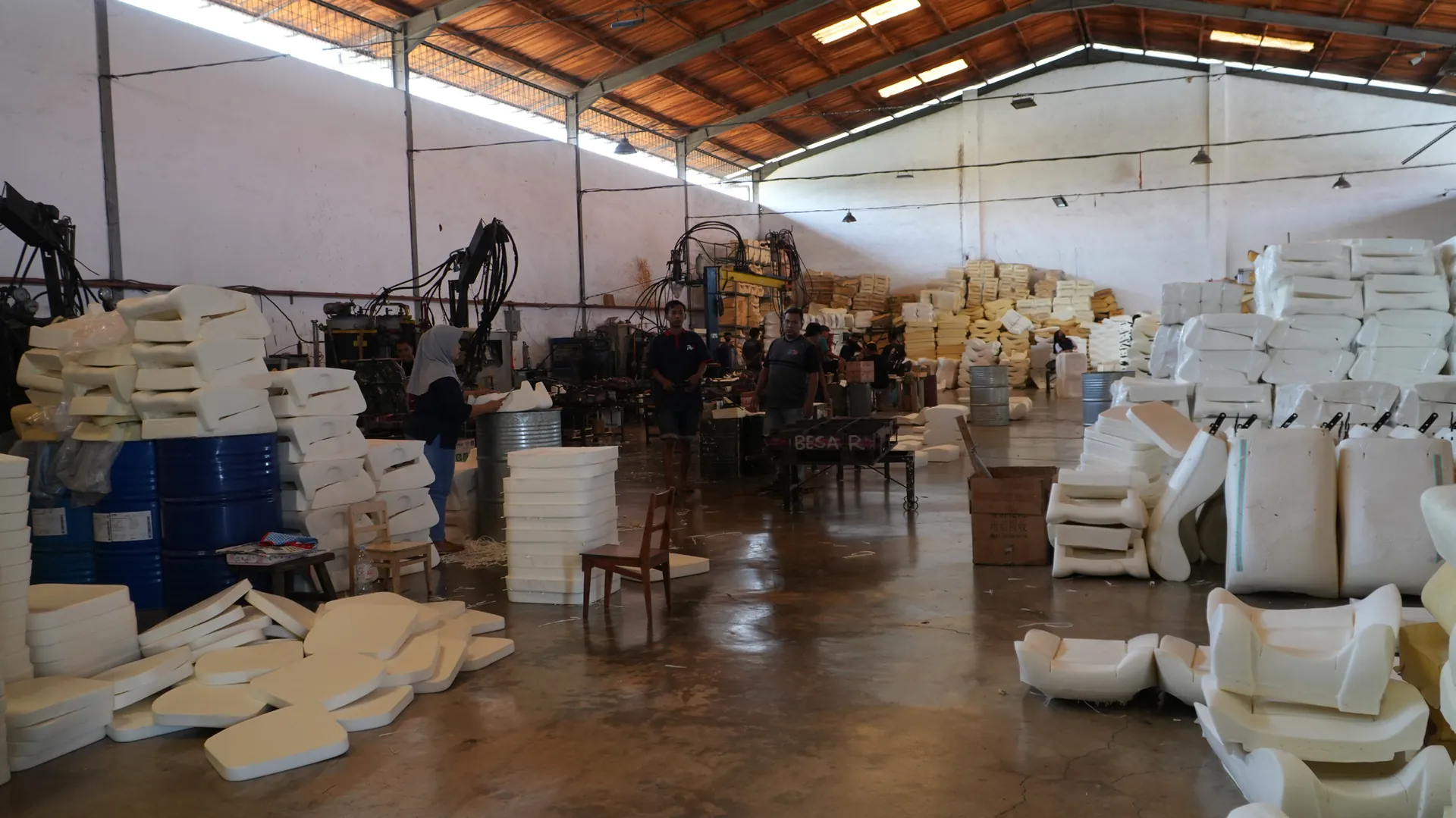
This is where molding shines. Instead of cutting and gluing foam blocks, molded flexible foam is formed in a mold, so every cushion has the same contour, edge and thickness. Curves for lumbar support, side bolsters and mounting points can be molded in directly, which makes upholstery faster and more consistent.
4. Covered, or a visible surface?
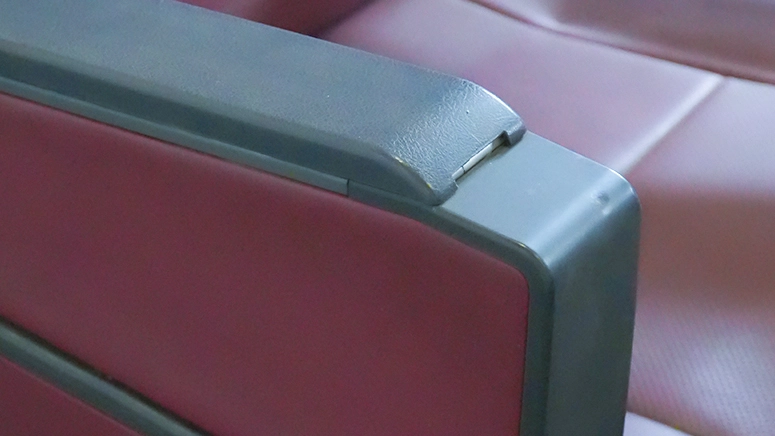
Most seat cushions are upholstered with fabric, leather or vinyl - molded flexible foam is made for that. For parts that stay uncovered and get touched a lot, like armrests or headrests, integral skin foam forms a tough, easy-to-clean skin in the same molding step. Read more in our comparison of integral skin foam and molded flexible foam.
5. How many seats?
The number of seats affects the mold and the way production is planned. A prototype or a small series can be approached differently from a long-running supply. Sharing a realistic estimate early helps us propose the right tooling and price.
What to prepare before asking for a quote
- A drawing, 3D model or a sample of the seat or frame
- The type of vehicle or furniture, and how the seat will be used
- The feel you are looking for - or a reference seat
- How the seat will be covered
- The expected quantity and timeline
With this information our team can recommend the right foam and process. Send it through the inquiry form, or try the solution finder first.