If you are developing a seat, an armrest or any part that people touch every day, two polyurethane processes usually come up first: integral skin foam and molded flexible foam. Both are poured into a closed mold, and both turn liquid chemicals into a finished foam shape. But the part that comes out of the mold is very different - and choosing the wrong one costs time in development.
What is integral skin foam?
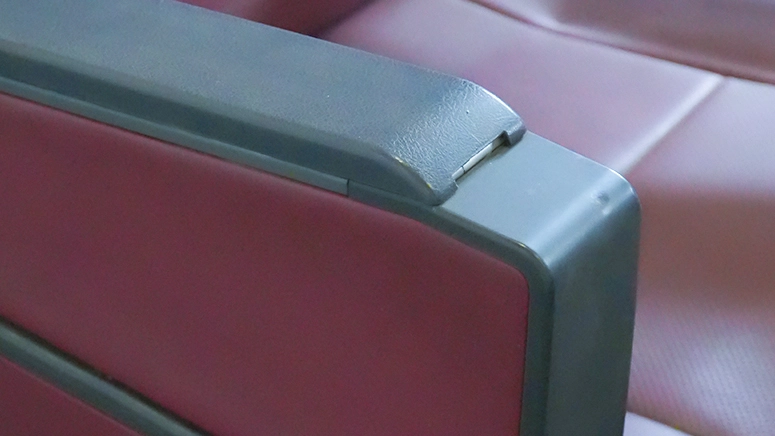
Integral skin foam forms its own skin. When the foam reacts inside the mold, the material that touches the mold wall becomes dense and smooth, while the inside stays a lighter, cellular core. The result is one single part with a tough outer surface and a softer core - no fabric or vinyl cover is needed.
Typical uses are office chair armrests, handles, headrests, automotive accessories and bus interior parts: anything that is touched, leaned on or knocked many times a day.
What is molded flexible foam?
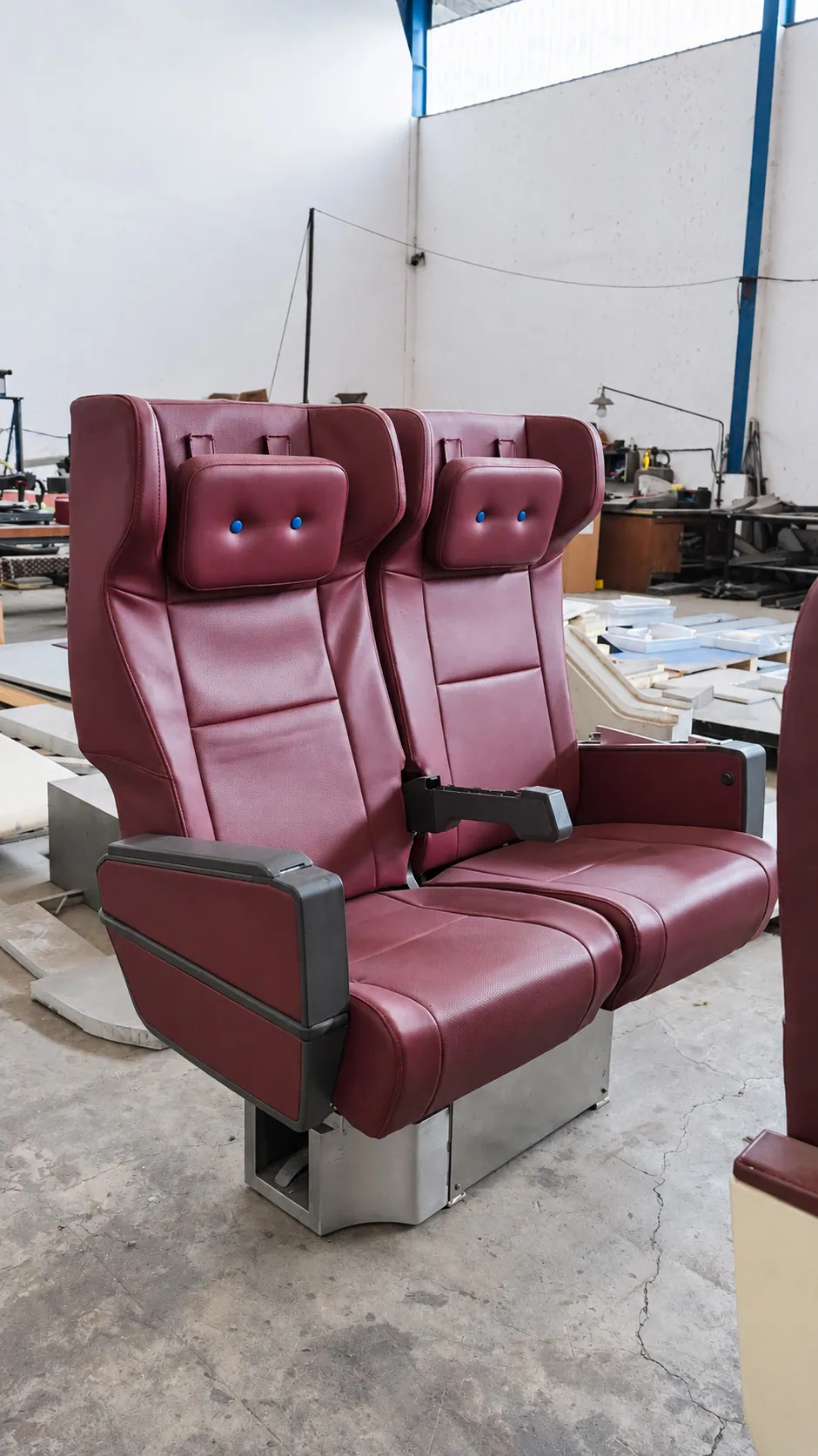
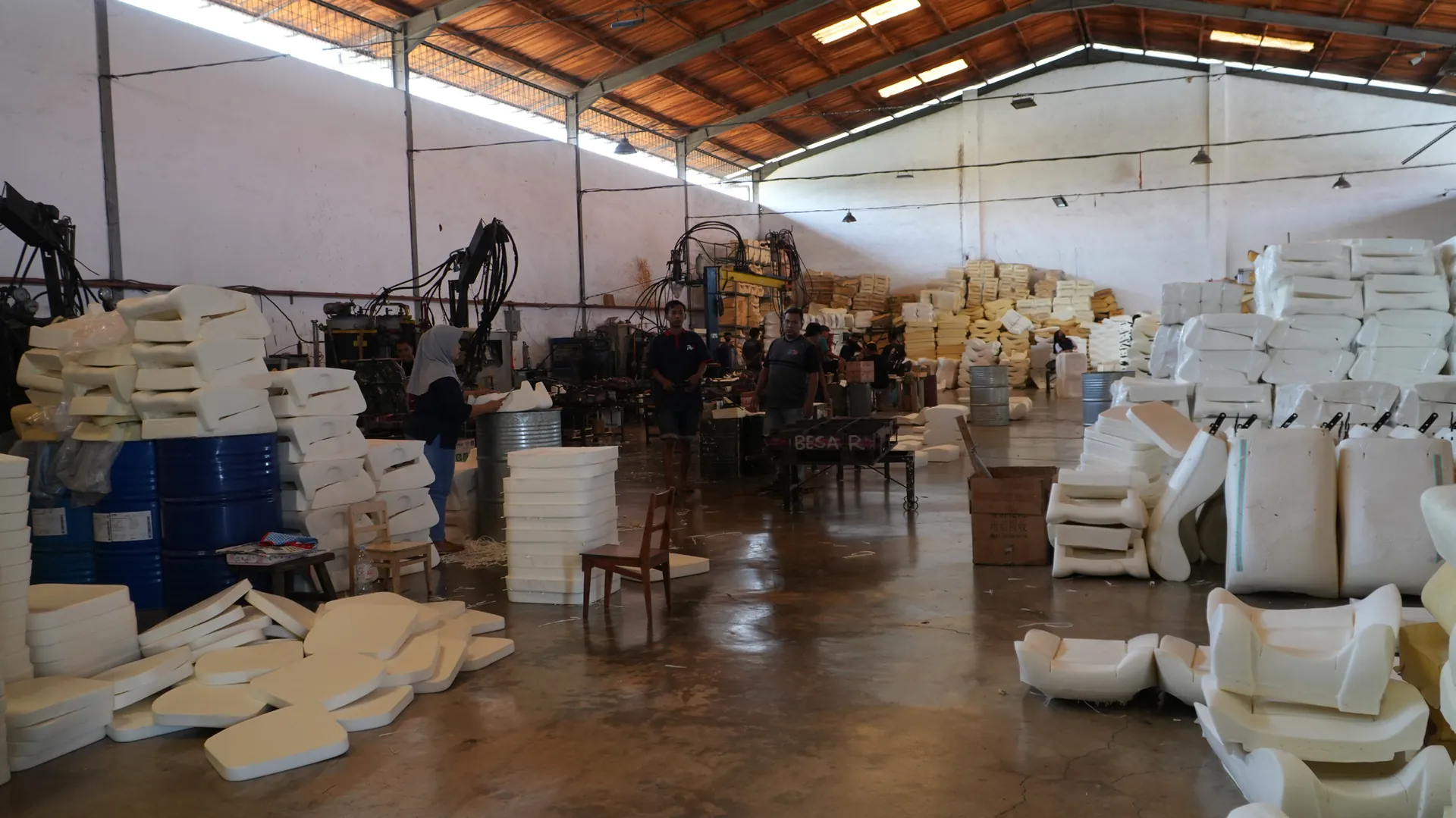
Molded flexible foam is soft and open-celled throughout. It fills the mold completely, so you get a cushion with a fixed shape and a consistent density, part after part. It is designed for comfort and is usually covered afterwards with fabric, leather or vinyl.
This is the foam inside bus seats, office chairs, motorcycle seats and EV seating.
The difference at a glance
| Integral skin foam | Molded flexible foam | |
|---|---|---|
| Surface | Built-in skin, ready to use | Open foam, normally upholstered |
| Feel | Firm outside, softer inside | Soft and resilient throughout |
| Best for | Armrests, handles, soft-touch trim | Seat cushions and backrests |
| Finishing | Can be used straight from the mold | Needs a cover |
| Main strength | Durability and easy cleaning | Comfort over long hours |
How to choose
Ask yourself three questions:
- Will the part be covered? If it gets upholstered anyway, molded flexible foam gives the best comfort. If the foam itself is the visible surface, integral skin foam is the natural choice.
- How is it used? Parts that are gripped, leaned on or cleaned often - armrests, handles, public transport interiors - benefit from the closed skin.
- How much comfort is needed? For sitting for hours, nothing beats a properly designed flexible foam cushion.
Not sure yet?
Every part is different, and details like hardness, density and surface texture are tuned for each product. Send us a drawing, a sample or even a photo, and our team will recommend the right process. You can also try the solution finder for a quick first suggestion.